How to Dispose of Blood Waste? | BioMart Cleaners
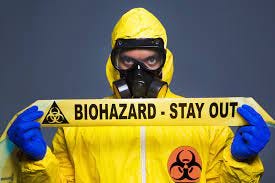
Workers exposed to bloodborne pathogens are at risk to contract serious and even life-threatening illnesses. Even if you don’t think your situation requires a blood waste cleanup company — in cases where the spillage is smaller than a plate — harmful pathogens may still be present, posing health risks and liabilities. That’s why you should contact a professional biohazard remediation company that is licensed to properly dispose of blood waste and employs proper blood cleanup procedures to avoid the potential for infection or reinfection.
Is Blood Waste Biohazardous?
Yes, blood waste is considered biohazardous. The definition of biohazardous waste (otherwise known as infectious waste or biomedical waste), is waste containing infectious materials or potentially infectious substances which often present health, safety, and compliance challenges. Blood — human blood, human blood components, and products made of human blood — can expose you to a number of bloodborne pathogens: HIV, Hepatitis B, Hepatitis C, MRSA, and other transmittable diseases. This is why it is so important to contact a professional blood waste cleanup company that follows the Occupational Safety & Health Administration’s (OSHA) bloodborne pathogen regulations and practices universal precautions when it comes to blood waste disposal.
Can You Dispose of Blood Waste in a Normal Garbage?
According to OSHA, “It is the employer’s responsibility to determine the existence of regulated waste. This determination is not based on the actual volume of blood, but rather on the potential to release blood, (e.g., when compacted in the waste container).”
Under OSHA’s Bloodborne Pathogens Standard, regulated medical waste includes liquid or semi-liquid blood or other potentially infectious materials.
Examples of blood waste that is potentially infectious:
- Bloody gloves
- Needles, syringes with needles attached, scalpels, dental carpules with blood in them
What Happens if You Improperly Dispose of Blood?
Every situation is evaluated on a case-by-case basis. If OSHA determines you have violated the Bloodborne Pathogens Standard, a citation may be issued to the employer. Typically, a monetary fine is distributed. It is important for any company or organization to understand that they are responsible for their employees’, customers’, and members’ safety when it comes to biohazard exposure.
Not All Blood Waste Cleanup Companies Are Licensed, Insured & Bonded
You can’t afford to let someone who isn’t extensively trained or licensed clean up and dispose of blood. The risk is too great for you, your family, and your employees. BioMart’s Cleaning Services is fully insured and bonded, to meet or exceed most commercial and government requirements. In addition, we are licensed to operate in 48 states.
For more than 20 years, we have adhered to the highest standards in blood waste remediation to ensure that our customers and employees are fully protected. We stand by our work with a 100% Customer Satisfaction Guarantee. If you have any questions about our blood waste disinfection and disposal methods please at 18884770015.
Other services around the USA:
- Crime Scene Cleanup Cleaners
- Cleaning Up The Blood
- Trauma Cleanup
- After Death Cleaning Services
- Suicide Cleanup Services
- Bio-hazard Cleaning Cleanup
- Hazardous Waste Clean Up
- Hazmat Cleanup Companies
- Hoarding Cleanup Cleaning Services
Useful Links:
Cleaning Up The Blood, Crime Scene Cleanup Cleaners, Crime Scene Technician, Murder Crime Scene Cleanup, Homicide Crime Scene Cleanup, Who Cleans Up Crime Scenes?, How To Become A Crime Scene Cleaner?, Trauma Cleanup, After Death Cleaning Services, Suicide Cleanup Services, Biohazard Cleaning Cleanup, Hazardous Waste Clean Up, Hazmat Cleanup Companies, Hoarding Cleanup Cleaning Services, Locations, What Is An Unattended Death, Biohazard Waste Disposal, What Is A Biohazard, Hazardous Waste Disposal Companies, Hoarding Help.
Crime Scene Cleanup in the USA:
Locations/United States, Alabama, Alaska, Arizona, Arkansas, California, Colorado, Connecticut, Delaware, District Of Columbia, Florida, Georgia, Hawaii, Idaho, Illinois, Indiana, Iowa, Kansas, Kentucky, Louisiana, Maine, Maryland, Massachusetts, Michigan, Minnesota, Mississippi, Missouri, Montana, Nebraska, Nevada, New Hampshire, New Jersey, New Mexico, New York, North Carolina, North Dakota, Ohio, Oklahoma, Oregon, Pennsylvania, Rhode Island, South Carolina, South Dakota, Tennessee, Texas, Utah, Vermont, Virginia, Washington, West Virginia, Wisconsin, Wyoming


Comments
Post a Comment